Menopause And Urinary Incontinence: Reasons And Therapies
Hormonal Changes And Urinary System Incontinence In Women
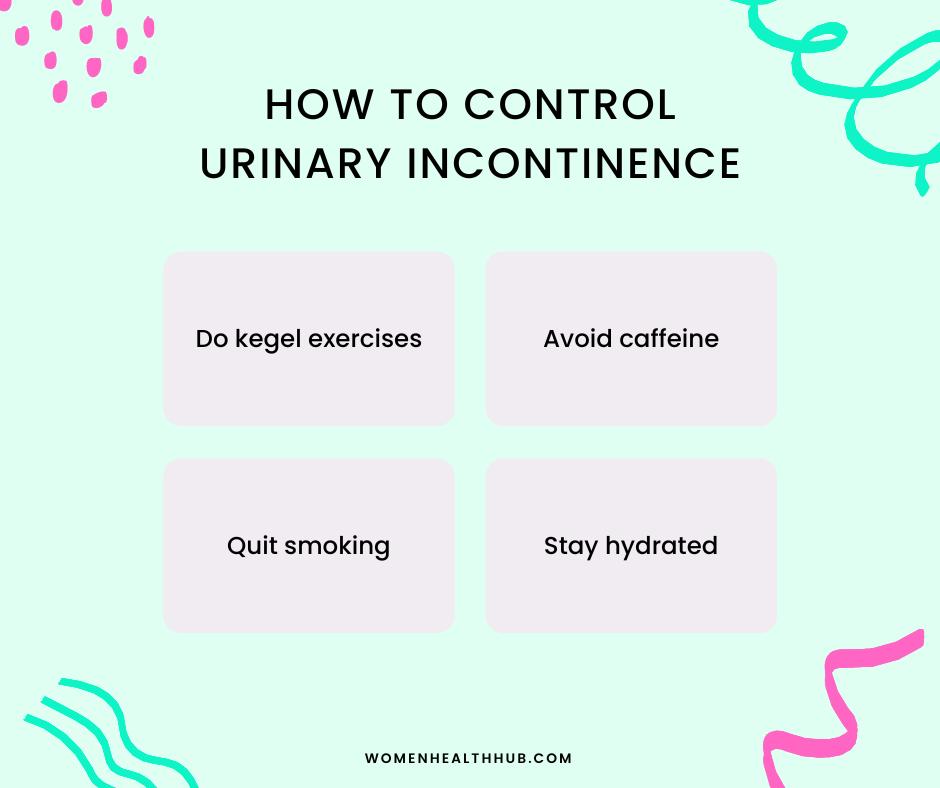
Early examination and therapy can help stop symptoms from advancing and improve long-term bladder wellness and convenience. Urinary system urinary incontinence happens when you can't regulate your bladder and inadvertently release urine. The most common sorts of incontinence are tension urinary incontinence and advise incontinence. Some people with mild signs and symptoms around menopause may not obtain dramatically even worse, specifically if they take steps like enhancing their pelvic floor, keeping a healthy and balanced weight, or looking for therapy early. Remarkably, new-onset incontinence is less common right after menopause than during the shift, suggesting things might briefly maintain for some. Early signs might include extra frequent washroom gos to, periodic leakages, or enhanced necessity.When pelvic flooring muscle mass are compromised, it can become tough for your urinary sphincter and urethra to hold in pee, leading to unintentional leak. Perimenopause can cause a variety of menopausal signs and symptoms, but it can also create bladder leaks. This problem is referred to as urinary system incontinence (UI) and it's really typical amongst older women. Exercising Kegel exercises can reinforce your pelvic flooring muscles, decreasing stress urinary incontinence. Four in 10 ladies improved their signs after trying Kegels.9 Kegels can be done everyday and may be particularly handy during pregnancy. They can assist avoid the weakening of pelvic floor muscle mass, which frequently takes place while pregnant and childbirth.
If you're bowel movement more than 6-8 times per day, speak with your doctor about bladder training. Having babies is terrific, however it can do a number on your pelvic floor, particularly if you experienced tough labor or giving birth. Lots of women are not aware of the damage that has been done to their pelvic flooring due to childbirth. However throughout menopause, the loss of estrogen can intensify a possibly already damaged pelvic floor, causing a leaking bladder. Additionally referred to as overactive bladder, urge incontinence entails a sudden, intense urge to pee, which may bring about leakage before you get to the toilet.
As a matter of fact, 40-57% of postmenopasual women have signs of vaginal degeneration, and on the urinary incontinence side, more than 50% of older ladies experience it. Pelvic flooring exercises, bladder training, remaining hydrated, and maintaining a healthy and balanced weight can assist. Stay clear of bladder toxic irritants and talk to your doctor concerning therapy options.
A recent research clarified frequent (recurring) UTIs in postmenopausal women. Several types of microorganisms can install themselves inside the bladder's surface area for frequent UTI licenses. Why are urinary system issues like UTIs, regular urination, and incontinence so much a lot more usual during and after menopause? We'll stroll you with descriptions and what you can do to enhance general urinary system system health and wellness. Several women are stunned when they find that it's harder to control their bladder throughout perimenopause and menopause.These fluctuations can compromise pelvic muscular tissues, reduce bladder control, and boost the danger of incontinence or bladder infection. If you are dealing with urinary system incontinence, there are natural remedies, as well as medical treatments that are confirmed to help in reducing symptoms. Combining the use of natural treatments with a doctor-prescribed clinical Visit website therapy commonly yields the very best outcomes. Estrogen is just one of the most essential hormonal agents associated with bladder function, as it helps maintain the stamina and elasticity of cells in the urinary system system and pelvic area. There are several types of incontinence, including tension urinary incontinence, impulse urinary incontinence, and overflow urinary incontinence, and many people experience a mix of signs and symptoms.
- Flyte's mechanotherapy was shown in research study to increase the effect of your Kegels by 39x-- meaning you see outcomes quickly.
- Weakened muscular tissues can't keep back urine when you cough, exercise, sneeze, laugh, or lift something heavy.
- This problem is referred to as urinary system incontinence (UI) and it's really common amongst older females.
- There are a number of types of urinary incontinence, consisting of stress and anxiety urinary incontinence, urge incontinence, and overflow urinary incontinence, and many people experience a mix of symptoms.
- Blood tests step hormonal agent levels like testosterone, estrogen, and adrenal hormonal agents.
Maintain A Healthy Weight

Best Workouts For Prolapsed Bladder And Womb
Hormone modifications can also affect your muscle mass toughness in the pelvic area. As a result, UI is more usual in women who are expecting, giving birth, or undergoing menopause. One more usual (but less talked about) sign of perimenopause is modifications in bladder behaviors and feature. Urinary necessity, urinary incontinence (like the notorious sneeze-pee), and urinary tract infections (UTIs) all come to be extra typical throughout this transition. Efficient management requires comprehending hormonal changes and using appropriate diagnostic and treatment approaches. Incorporating medical interventions with lifestyle alterations assists sustain overall urological health and wellness.The majority of the moment this involuntary leakage is a couple of decreases of urine, but it can become a full loss of control. Hormonal agents play a critical function in getting rid of waste via the urinary tract and regulating organ function. Changes in hormonal agent degrees can influence the bladder, muscles, and nerves involved in urination. These shifts may lead to urinary system tract infections (UTIs), incontinence, or urinary system regularity.